
What is a Prosthetic Dental Treatment?
Prosthetic dental treatment is the process of regaining lost teeth with the use of various prostheses. The gap in the mouth as a result of damage to one or more teeth due to different factors may cause the individual to have pronunciation and chewing problems. The negativities caused by tooth loss, which brings along aesthetic concerns, are eliminated thanks to prosthetic dental treatment methods.
Prosthetic treatment, which is one of the important branches of dental medicine, includes many methods. There are various prosthetic treatment methods such as fixed or removable prosthesis, crown, metal or Zirconium-supported porcelain coating, ceramic coating, or implant. Depending on the treatment method to be preferred and the current condition of the patient, prosthetic tooth costs may vary.
For Whom is Prosthetic Dentistry Recommended?
Prosthetic dental treatment is generally performed in cases requiring advanced treatment. With this application, the lost tooth or teeth are regained. Prosthetic dental treatment, which allows oral and dental functions to become more active, also makes a positive contribution to the psychology of the individual. With the restoration of chewing and speech functions, aesthetic concern leaves its place to comfort.
Prosthetic dentistry is recommended for individuals with partial tooth deficiency or who have lost all their teeth. In addition to individuals with irregular tooth alignment, this treatment method can also be performed on people whose teeth have been deformed over time due to various reasons.
To achieve positive results in dental disorders, prosthetic treatment, which is one of the important branches of dentistry, is used. Whether the individual is suitable for this treatment or not is determined as a result of a comprehensive physical examination to be performed by the doctor. The absence of additional disorders that may prevent the treatment of the patient is one of the most important criteria in choosing the right patient.
How Should Prosthetic Dental Care Be Done?
Caring for prosthetic teeth designed to facilitate biting, chewing and other mouth functions is very important. Oral and dental care routines performed for natural teeth should be done in the same way for prosthetic teeth. Precautions to be taken help ensure the longevity of prosthetic teeth and prevent bacteria that are likely to form in the mouth.
Prosthetic dental care should be done carefully to prevent conditions such as bad breath, deformation on the outer surfaces of the teeth, and gum disorders. Prosthetic teeth, which are designed according to oral anatomy and tooth size, should be cleaned regularly every day with a toothbrush with a soft head. Floss can be used to remove bacteria that have accumulated in the spots where the toothbrush cannot reach. Unused prosthetic teeth must be stored in water. This situation, which prevents the prostheses from drying out, prevents negative possibilities such as cracking or breaking.
It is very important not to damage the prostheses while performing oral and dental hygiene. Toothpaste specially produced for prostheses should be preferred. The use of powders that may cause wear on prostheses should be avoided. Care should be taken to ensure that the toothbrush to be preferred for cleaning will not scratch the surface of the prostheses and will not cause damage. It is extremely important to remove and clean the prostheses at least once a day to prevent the formation of plaque and bacteria.
What are the Advantages of Prosthetic Tooth Treatment?
Prosthetic tooth application is one of the most ideal treatments for the elimination of discomfort caused by missing teeth. Prosthetic teeth, which bring an aesthetic appearance, help to improve oral health. However, it makes positive contributions to the psychology of the individual.
Wise&Smile offers the best treatment options to its patients to improve their oral and dental health and maximize their functions. Thanks to the most accurate treatment chosen, the individual can open the doors to more positive psychology as well as increase the quality of life. Before the treatment, the patient can find answers to questions such as prosthetic tooth prices, duration of the Procedure, or the best prosthetic dentistry clinics in Turkey with Wise&Smile. The individual, who can benefit from free counseling services, can get detailed information about each stage of the procedure.
For a healthy and aesthetic appearance, prosthetic dental treatment always provides high benefits. The bad appearance caused by tooth loss experienced over time can be improved thanks to the well-equipped employees within Wise&Smile. It is possible to learn about treatment options for a better quality of life.
What Is (Gum Inflammation) Gingivitis?
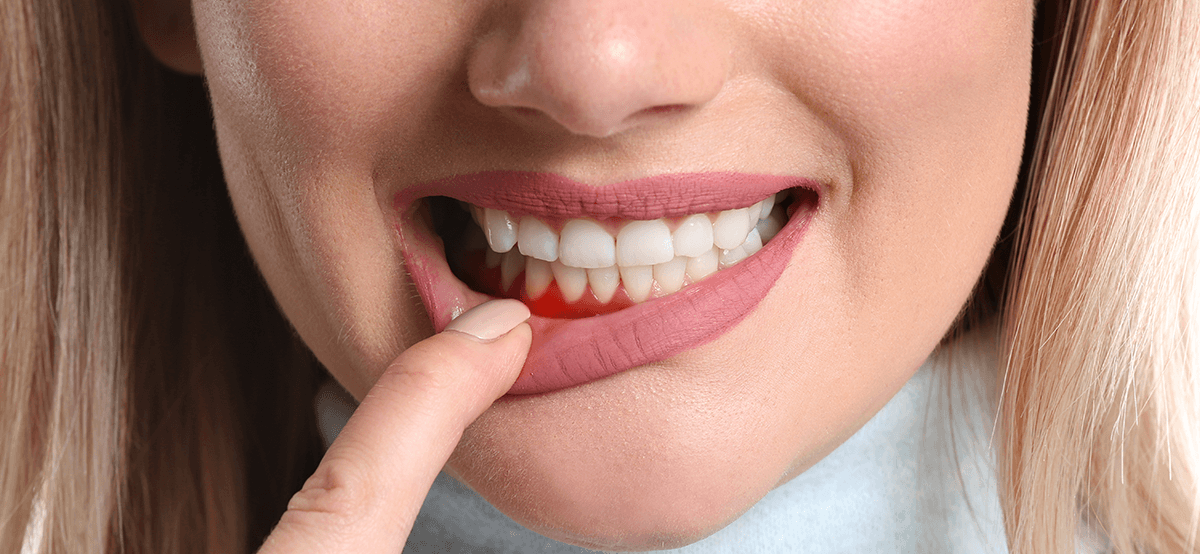
Gingivitis is a kind of disorder that occurs as a result of problems such as swelling, redness, or bleeding of the gum tissue due to several factors. Among the most basic causes of gingivitis; factors such as deformities during brushing, plaque accumulation, or incorrect flossing can be shown. In cases where the necessary precautions are not taken for the sensitivity of the gums, it is inevitable to observe more advanced disorders.
Disorders that occur in oral and dental health, which are closely related to physical health and quality of life, may progress over time depending on certain factors. The gingivitis observed at this point should not be underestimated and care should be taken to prevent it from being experienced frequently. Gingivitis (gingivitis) can cause a decrease in oral functions or bring about different diseases if precautions are not taken. Before reaching a discomfort that requires expert intervention, the factors that cause gingivitis should be removed from life and extra attention should be paid to oral health.
What Are the Symptoms of Gum Inflammation?
Disorders that can be seen in tooth and gum health and cause tooth loss may start with gingivitis-like inflammation. The effects of gingivitis on the individual are much greater than felt. Gingivitis, which brings with it the formation of bacteria and its various problems, is necessary to take measures to improve the inflammation and not to experience it again before it causes further damage to the tooth tissue.
Untreated and unconsidered gingivitis can cause periodontitis, which is a much more serious discomfort in the following processes. This disorder can lead to problems that require further treatment, such as tooth loss. Therefore, especially sensitivity should be shown for the treatment of problems in the gums and annual routine dentist controls should not be interrupted.
Which Treatment Methods Are Performed for Gingivitis?
Gingivitis, in general, causes difficulty during speech and chewing, as well as a decrease in the quality of life. If the gingivitis, which can usually heal itself within a few days, lasts longer than four or five days, a specialist dentist examination and various treatments may be needed.
Gingivitis can be prevented through tartar and plaque removal treatments. In tartar cleaning performed by the dentist, all tartar and plaque are removed. In another technique, it is aimed that the gums adhering more to the teeth and adapt better than before. This technique is performed by a specialist dentist in case of bone loss and the need for deeper cleaning.
In cases where the use of medicament for the treatment of gingivitis is considered necessary, antibiotics prescribed by the doctor can be used. In this way, the severe infection in the mouth is eliminated. To get positive results from medication treatment, it is extremely important to do routine oral care and to stay away from smoking and alcohol consumption.
Another form of treatment is the care process recommended by the dentist. In this process, first of all, professional dental cleaning is performed. Then the tooth restoration is performed and the problem of misalignment of the teeth is eliminated. Finally, oral and dental care is continued in the home environment in line with the doctor's recommendations. The professional dental cleaning method involves removing tartar, Plaque, and all bacteria. This stage, also known as patronization, helps remove all bacteria that accumulate on the tooth surface and under the gums. With the removal of bacteria, gingivitis is treated without turning into an advanced ailment.
Can Gingivitis Be Treated at Home?
Some treatment methods to prevent gingivitis can be done at home. Teeth should be brushed at least twice a day with a soft-headed toothbrush. If possible, cleaning should be done at least twice a week with an electric toothbrush that removes plaque and tartar. Apart from the measures that can be taken at home, it is important to have regular professional dental cleaning to protect oral and dental health. At this point, the dentist's recommendations should be followed. At the same time, the use of tobacco and alcohol, which reduces the quality of life, should be reduced and, if possible, completely abandoned.
Wise&Smile always provides support for patients who want to improve their oral health and seek the advice of a specialist doctor in this regard. Counseling services are available for individuals who want to get detailed information about the fees of gingivitis treatment and gingivitis treatments in Turkey. In line with the information to be obtained, the individual can find the most appropriate treatment and have healthier teeth.
gfbgf.png)
Bruxism is a common condition that involves the grinding, gnashing, or clenching of the teeth, often while a person is sleeping. It can be caused by a variety of factors, including stress, anxiety, and misalignment of the teeth.
Teeth grinding can lead to a number of symptoms, including tooth damage, jaw pain, and headaches, and it is important to seek treatment to prevent further complications. There are several cure options available, including therapy, medications, and dental appliances.
Causes of Bruxism
There is no single cause of bruxism, and it is likely that a combination of factors contribute to the development of the condition. Some common causes of teeth grinding include:
1) Stress and Anxiety: Bruxism is often associated with stress and anxiety, and people who are under a lot of stress may be more prone to grinding their teeth.
2) Misalignment of the Teeth: If the upper and lower teeth do not fit together properly, it can cause a person to grind their teeth in an attempt to compensate for the misalignment.
3) Medications: Certain medications, such as antidepressants and stimulants, can cause bruxism as a side effect.
4) Substance Abuse: Alcohol and drug abuse can increase the likelihood of teeth grinding.
5) Sleep Disorders: People who have sleep disorders, such as sleep apnea, may be more likely to grind their teeth while they sleep.
Symptoms of Bruxism
Bruxism can cause a range of symptoms, including:
- Grinding the teeth can wear down the enamel, leading to tooth sensitivity and an increased risk of cavities.
- Bruxism can cause the muscles in the jaw to become sore and tender.
- The constant grinding and clenching of the teeth can lead to headaches, especially in the morning.
- The grinding and clenching of the teeth can also cause earache, as the muscles of the jaw are connected to the ears.
- Some people with bruxism may have difficulty sleeping due to the grinding and clenching of their teeth.
Teeth Grinding: Diagnosis and Procedure
If you suspect that you may have bruxism, it is important to see a dentist for a proper diagnosis. They will ask about your symptoms and medical history and may perform a physical examination of your mouth and teeth. In some cases, they may also recommend a sleep study to determine if you have a sleep disorder that is contributing to your teeth grinding.
Treatment of Bruxism
The treatment of bruxism depends on the underlying cause of the condition and the severity of the symptoms. Some common healing options include:
1) Therapy: Stress and anxiety are common causes of bruxism, and therapy can be an effective way to manage these issues and reduce teeth grinding.
2) Dental Appliances: A dental appliance, such as a mouthguard or splint, can be worn at night to protect the teeth from grinding and clenching. These appliances are custom-made by a dentist to fit the individual's mouth.
3) Orthodontic Treatment: If misalignment of the teeth is causing the bruxism, orthodontic treatment, such as braces or a retainer, may be recommended to correct the problem.
Protectors Used Against Teeth Grinding
Anti-grinding teeth protectors (also called mouth guards or splints) are specially designed tools used to prevent the teeth from clenching and chewing, especially at night while sleeping. These tools are custom-made by a specialist to fit the patient's mouth. This helps for reducing tooth damage by protecting teeth and can also reduce mandible pain caused by bruxism.
Teeth protectors are placed in the patient's mouth appropriately and it is requested not to remove them while sleeping at night. The apparatus prevents locking by interlocking the teeth, thus also preventing decay or damage to the teeth. After getting used to its use, patients generally do not feel discomfort as before and they can sleep more comfortably at night and improve their overall sleep quality.
If patients intend to continue using it regularly, they should go through this process under the supervision of a dentist. In this way, it is possible to understand whether the apparatus is working properly and to renew it if necessary.
It is important to begin treatment for bruxism to prevent further damage to the teeth or jaw and to manage the associated pain. Wise&Smile cares about the oral health of its patients. It is possible to prepare a treatment plan immediately with a free consultation. Please contact us.

Our Phone
+90 232 502 94 73

Our Location
MANSUROĞLU MAH. 288/4 SK. 9 D Bayraklı, İzmir