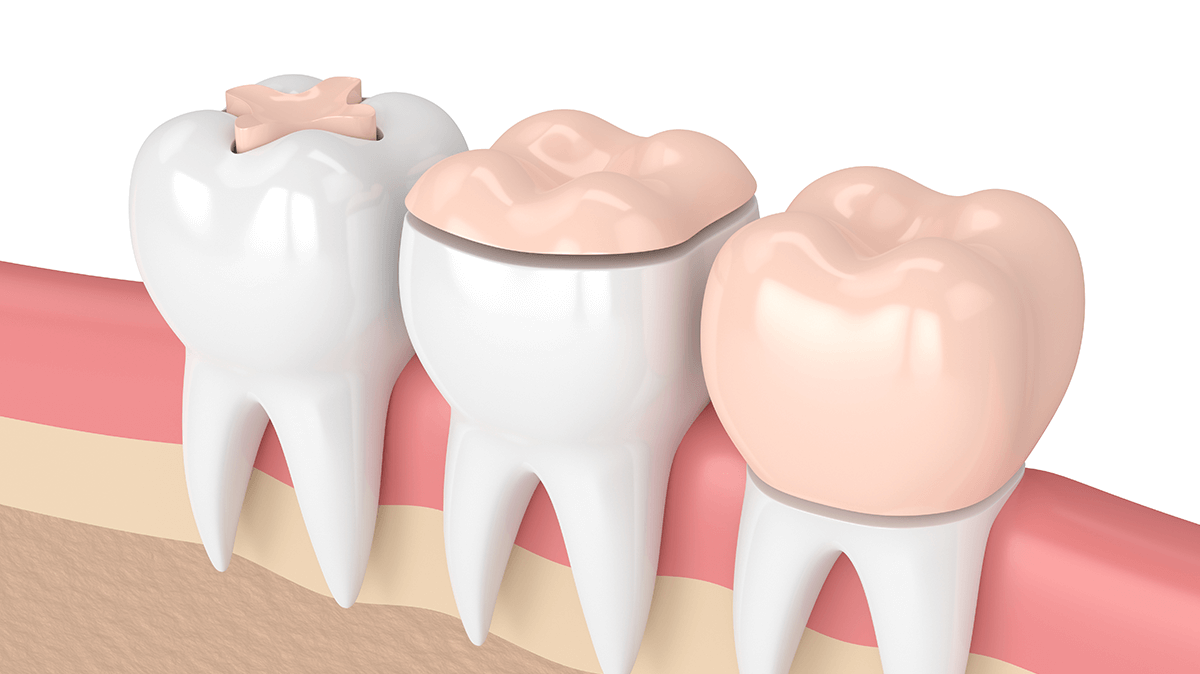
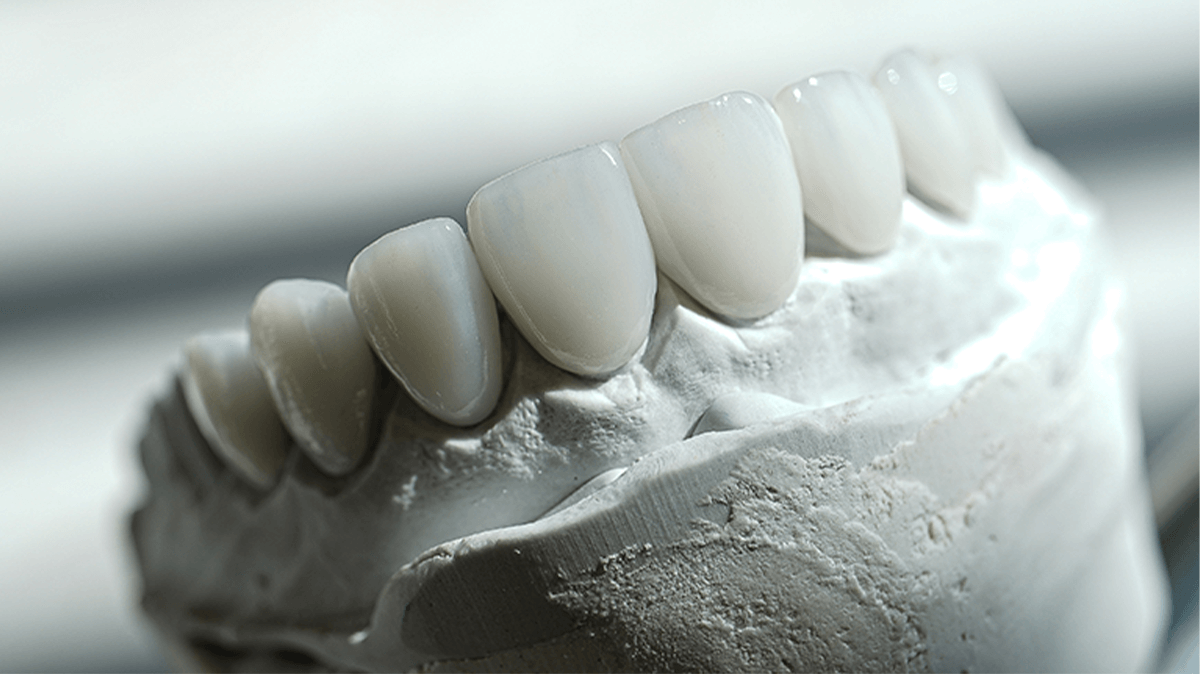
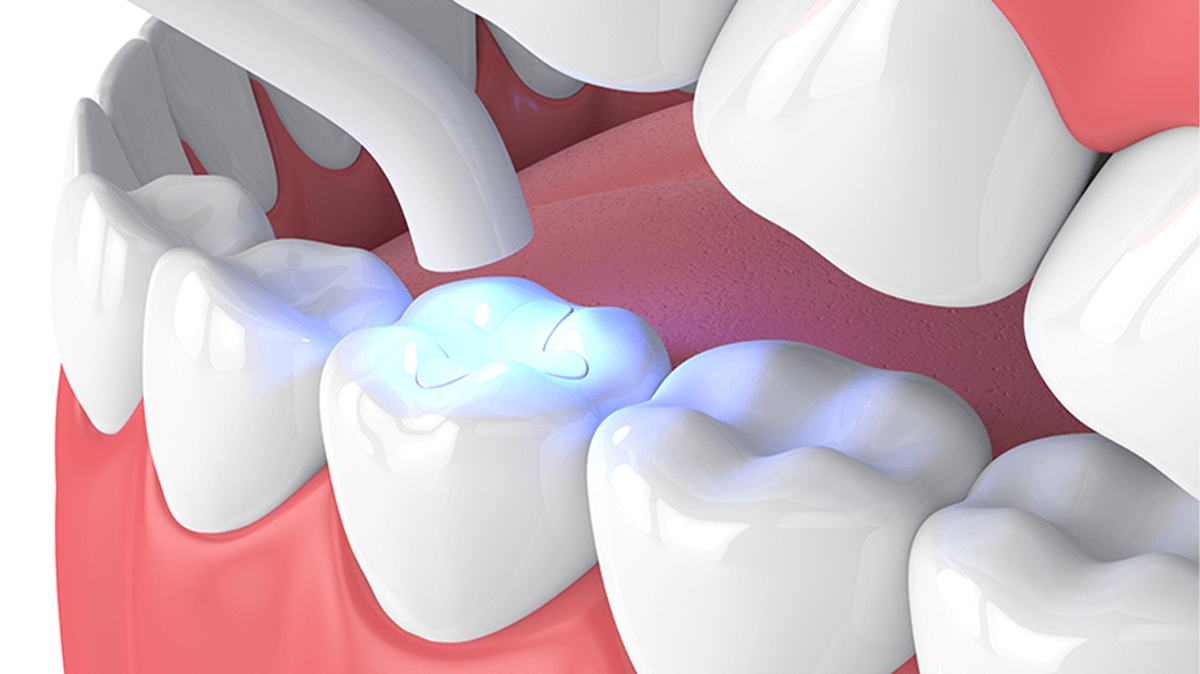
Inlays and onlays are types of dental restorations that are used to repair damage to teeth. An inlay is a custom-made filling that is used to repair damage to the surface of a tooth. It is made from materials such as porcelain, gold, or composite resin, and is designed to fit perfectly into the shape of the tooth.
An onlay is similar to an inlay, but it covers a larger area of the tooth and extends to the cusps of the tooth. Both inlays and onlays are created by a dentist in a dental laboratory and are bonded to the tooth using a strong adhesive. They can provide a strong, durable, and natural-looking repair for damaged teeth.
A crown is a more comprehensive restoration that completely covers the tooth from the gum line to the crown of the tooth. It is used to protect and strengthen a damaged tooth and is typically made of materials that are porcelain, gold, or a combination of both. Crowns are primarily preferred when faced with teeth that are severely damaged or need a large fillers that cannot be treated with an inlay or onlay.
Crowns and onlays can last for many years, but the exact lifespan depends on a variety of factors such as the type of material used and how well the crown or onlay is cared for. In general, crowns and onlays made of porcelain or ceramic can last for 10 to 15 years or longer, while those made of gold or other metals can last for 20 years or more. It's important to practice good oral hygiene and to visit the dentist regularly to ensure that the crown or onlay stays in good condition for as long as possible.
Differences Between Inlays, Onlays and Crowns
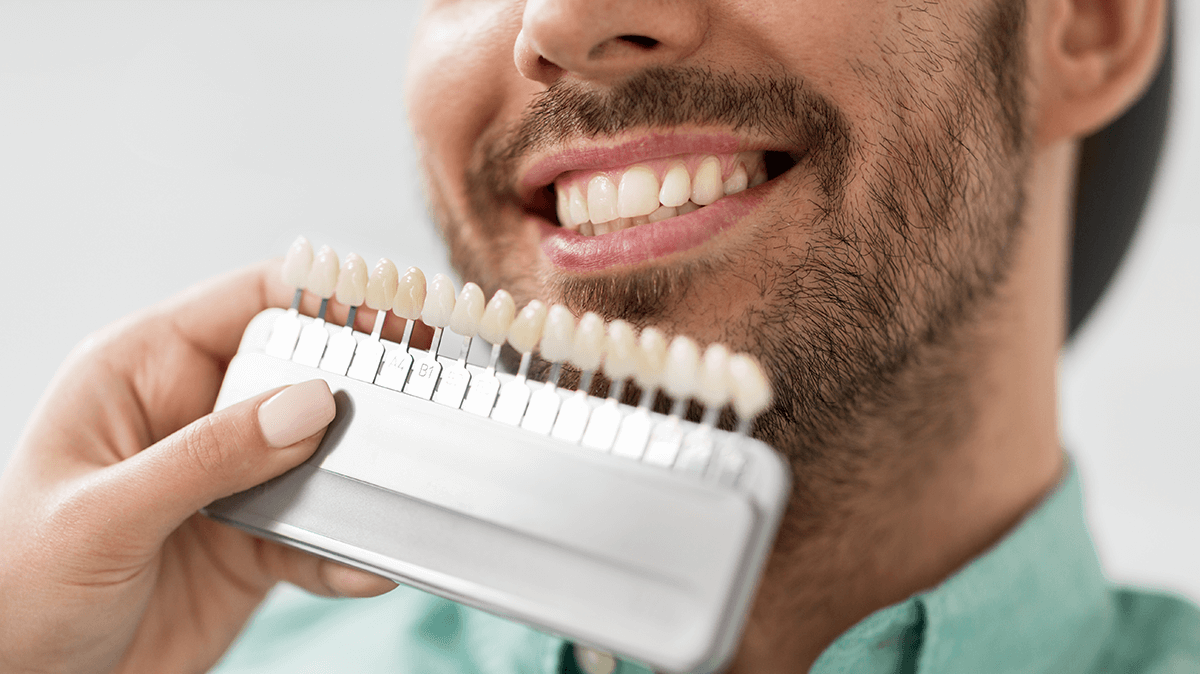
The main difference between a crown and an onlay is the extent to which they cover and protect the tooth. One advantage of a crown is that it provides complete protection for a damaged tooth. Because it covers the entire tooth, it can help to prevent further damage and can even improve the tooth's function. In addition, crowns can be made from a variety of materials, including porcelain, gold, or a combination of both, which allows them to be matched to the color of the surrounding teeth.
On the other hand, an onlay has the advantage of being less invasive than a crown. Because it does not cover the entire tooth, it requires less preparation of the tooth and can be a more conservative option for repairing damage. In addition, onlays are typically made from tooth-colored materials, which can make them less noticeable than crowns.
In summary, the decision between a crown and an onlay depend on the extent of the damage to the tooth and the preference of the patient and dentist. A crown provides complete protection for a damaged tooth, while an onlay is a minimal-cut option that can be less noticeable.
Nevertheless, a number of variables can cause threat for long-lasting durability of them, such as:
- • Clenching teeth,
- • Chewing nails,
- • Consuming hard or sticky objects,
- • Having an injury to the tooth or surrounding region.
These can cause the material to shatter, crack, or chip and require early repair or replacement.
Procedure for Dental Crowns
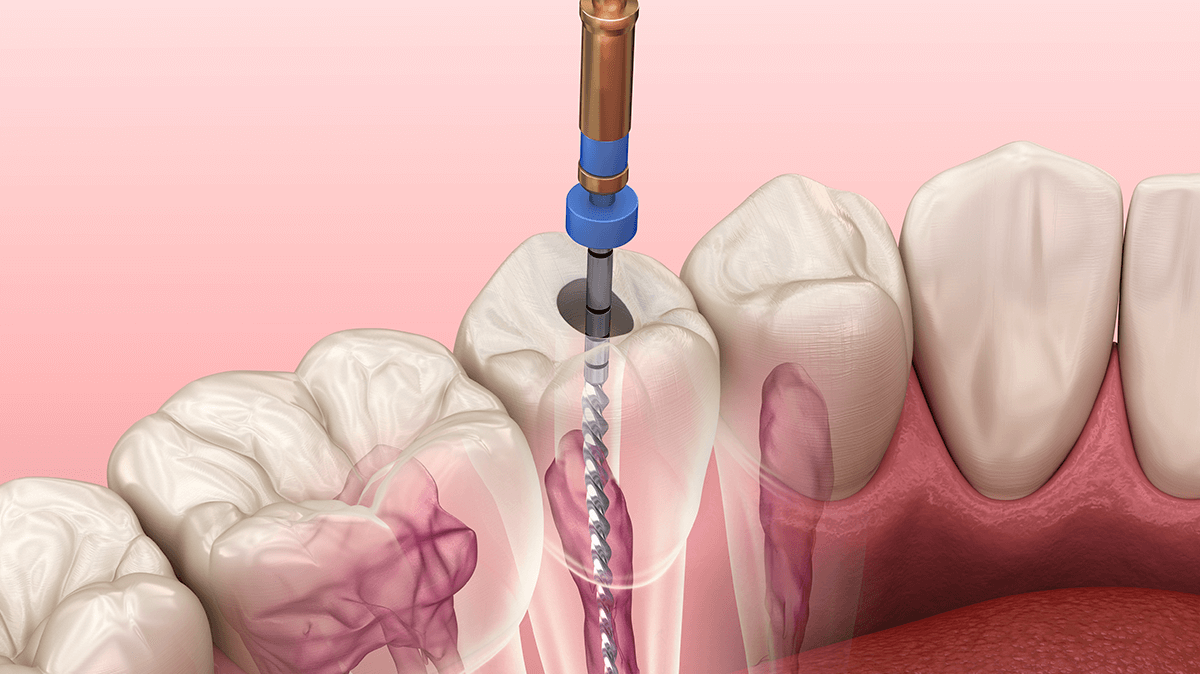
A dental crown is a substance that the dentists usually covers on top of a tooth. It is performed using local anesthesia. This process makes the teeth stronger and long-lasting and prevents tooth decay. In the dental crown procedure, the dentist first cleans the surface of the tooth and removes all caries. It then takes a precise model of the tooth by measurement. Thus, the dental crown adheres tightly to the surface of the tooth, ensuring that it remains durable and healthy.
Procedure for Onlays
On the initial appointment, the dentist numbs the patient's mouth with a local anesthetic before removing dental decay and the damaged portion of the tooth. The dentist produces an imprint of the tooth with a paste substance and sends it to a laboratory where the permanent onlay is fabricated. The tooth is covered with a temporary onlay then.
At the second visit, the dentist removes the temporary onlay and checks the fit of the permanent one. If the permanent onlay fits well, the dentist anesthetizes the patient's mouth and attaches the onlay to the tooth permanently.
Conclusion
Any dental caries may seem insignificant at first, but if left untreated, it can worsen and threaten the patient's tooth. This can lead to the loss of the tooth. To protect the teeth, it is very important to brush daily and use dental floss.
It is also extremely beneficial to have a regular dental examination every 6 months. Also, if a patient experiences pain or discomfort between dental visits or after a dental procedure, they should consult a dentist immediately.
Treatments
FAQ
As a general rule, the placement of inlays and crowns should not cause any significant pain or discomfort. Most people who have inlays or crowns placed report only mild discomfort during the procedure, which can usually be managed with local anesthesia.
After the procedure, you may experience some sensitivity in the treated area for a few days, but this should subside on its own. It's important to follow your dentist's instructions for post-procedure care to help ensure that you recover quickly and without any complications.
The cost of inlays and crowns can vary depending on a variety of factors, such as the type of material used, the location of the dental practice, and the specific needs of the patient.
Onlay is a type of repair used for teeth. It is a type of artificial tooth used to correct the damage on the real one. This is where its name comes from. While preserving the natural form and appearance of the tooth, it also repairs the damaged area and makes it healthy and strong. They are often used to repair large cavities in the front of the teeth.
Treatments






Book a free consultation
Please contact us for detailed information about our clinic and the dental treatments we apply. Our experts will inform you about all issues.

Our Phone
+90 232 502 94 73

Our Location
MANSUROĞLU MAH. 288/4 SK. 9 D Bayraklı, İzmir