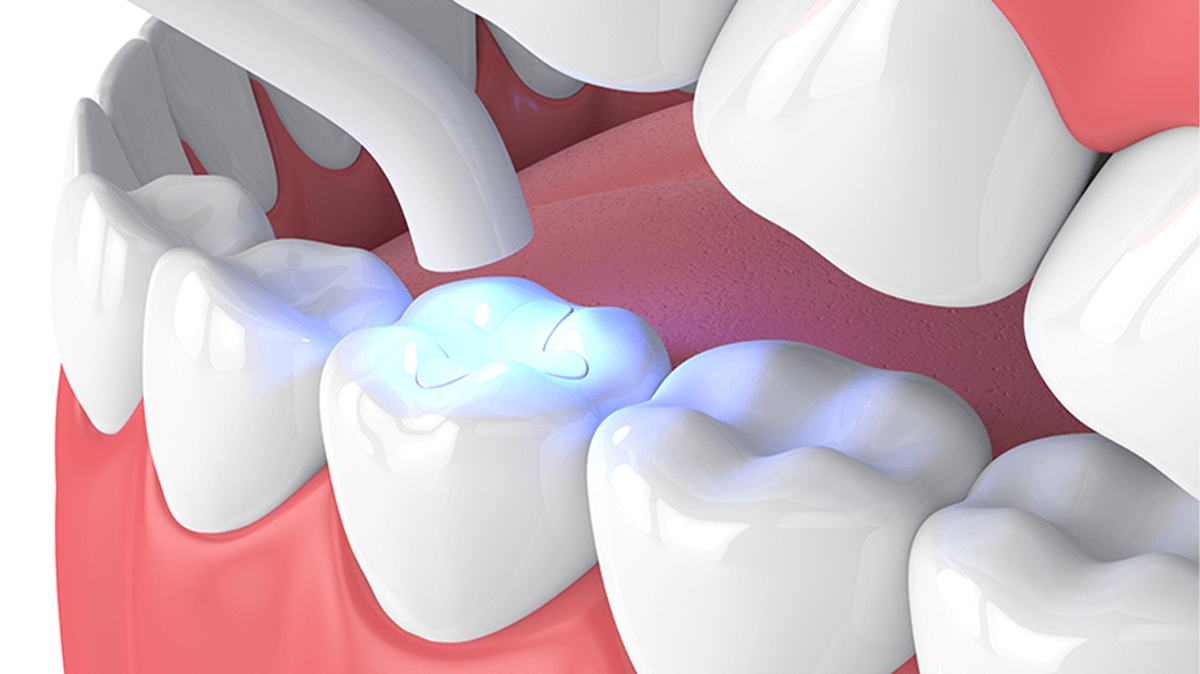
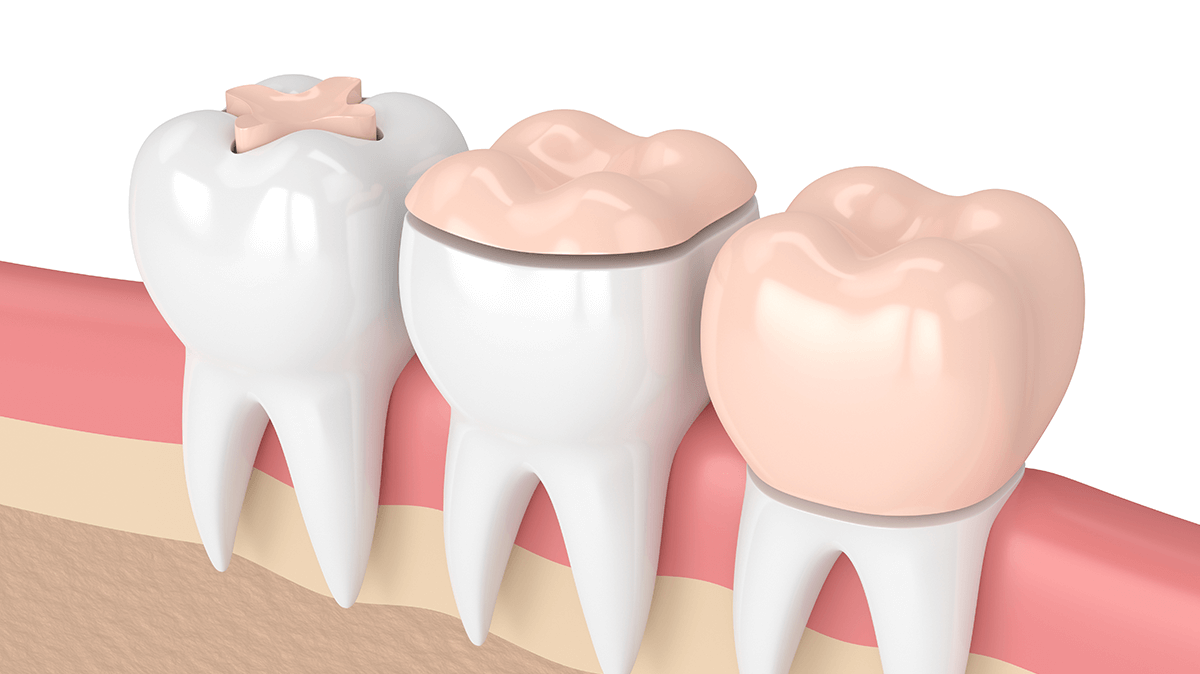
Composite bonding is a treatment method in dentistry. With this method, small pieces of composite (colored plastic) material are used to improve the appearance of the teeth. It can be used for purposes such as repairing small cracks or fractures of the teeth, smoothing the color of the teeth, changing the shape or closing the gaps between them.
In this treatment method, also known as tooth bonding, composite resin is used as the main material. The application preserves the natural appearance of the teeth and is painless. Unlike procedures such as porcelain veneer, it is not a one-time process.
Candidates for Dental Bonding Procedure
Composite bonding is a cosmetic procedure performed to improve the smile of patients aesthetically. It is preferred in the following situations:
- • To hide chip or cracks in teeth,
- • To hide the discoloration of the teeth,
- • To close tooth cavities,
- • To make the teeth look straighter,
- • To reshape teeth,
Composite resin is also used in restorative dentistry apart from these purposes. It can be applied to renew the old silver-colored fillers that the patient has or to protect the tooth roots that have emerged due to gingival recession. Today, this application, which is mostly preferred for these reasons, is extremely popular in dentistry.
Dental Bonding Procedure
Before to dental bonding, the dentist discuss the patients' aesthetic desires with them. Additionally, they take dental X-rays and inspect the teeth and gums to ensure if the patient is a good candidate for the operation. If they have significant tooth decay, gum disease, or other major oral health issues, it is essential that these conditions should be addressed first.
The process takes around 45 minutes per tooth. During the application of dental bonding, the dentist performs these:
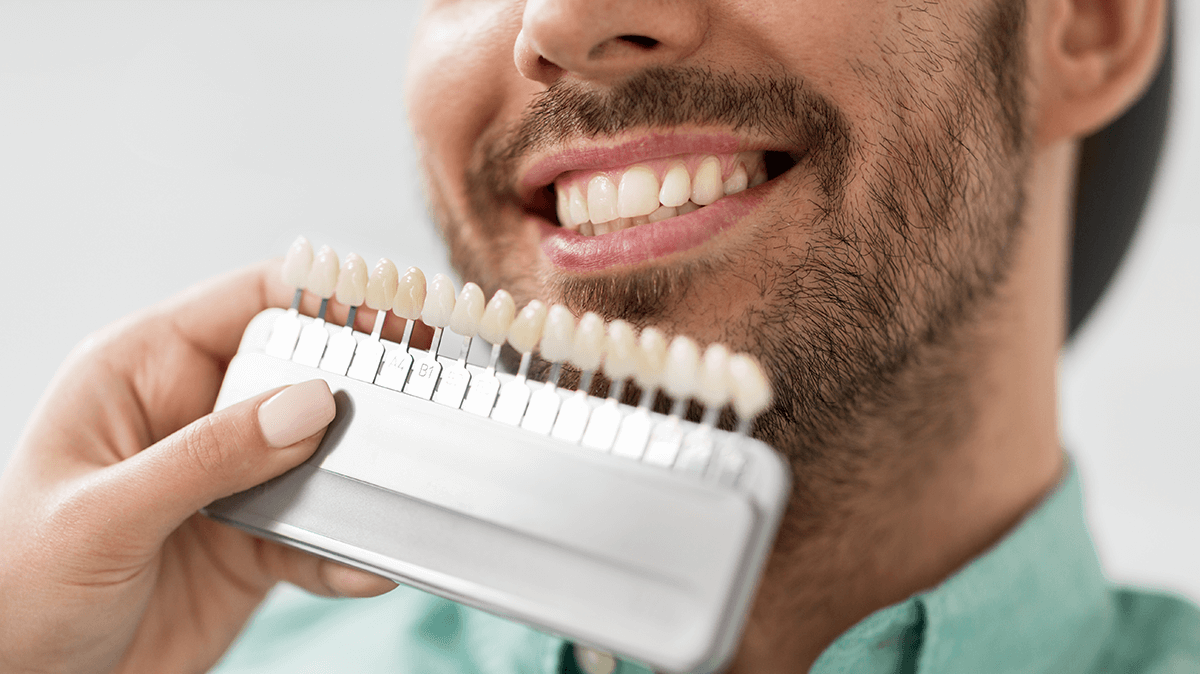
- • Choosing the shade: The dentist selects a composite resin material that resembles the color of the natural teeth using a shade reference.
- • Making the tooth ready: The tooth's surface is roughened, and a conditioning liquid is then administered. These stages facilitate the adhesion of the bonding substance.
- • Utilizing the composite resin: Resin is applied, molded, then sanded to get the desired shape.
- • Curing the substance: The composite resin is then solidified using a specific curing laser, which attaches it to the tooth's surface.
- • Polishing tooth: The dentist then performs any required final modifications and polishes the tooth to a natural-looking sheen.
Typically, dental bonding is not unpleasant since the dentist does not operate close to the tooth's nerve. In the majority of instances, anesthetic is not even required for the procedure. Some individuals may feel transient sensitivity following the process. In these cases, medications can assist alleviate this agony.
 Advantages of Composite Bonding
Teeth bonding, which is preferred mostly for aesthetic concerns, offers many benefits to its candidates compared to other cosmetic procedures.
- • It is minimally invasive: For example, porcelain veneers or dental crowns require more invasive procedures during their application, while the enamel is not damaged during tooth bonding.
- • Cost-effective: Composite bonding cost is more attractive than other commonly applied procedures.
- • It is a versatile process: With the tooth bonding procedure, it is possible to improve the abrasions, cracks, cavities and color changes in the patient's tooth.
- • It is fast and practical: It does not require more than one session, such as veneers and crowns. In just one appointment, the patient can achieve the appearance of the desired teeth.
Differences Between Bonding and Veneers
Bonding and veneers are two different dental treatment options. First, it is a method used to heal minor damage caused by a cracked or cracked tooth. It is done to fill the gaps in the damaged tooth for any reason and to ensure the connection of the teeth.
Dental veneers are a treatment used to repair damage to the outer surface of the teeth. Veneers, in which mostly porcelain material is used, are used for problems caused by caries or gum diseases. They are made of special ceramic material and are adhered to the tooth.
The most important difference between the two methods is that a part of the enamel should be removed in the application of dental veneers, while this process is not required in the dental bonding.
On the other hand, while dental bonding substance is moderately resistant to stains, it is not as durable as porcelain restorations. This procedure is also not as strong as other restorative alternatives, including dental veneers or crowns. In addition, bonding materials might degrade over time. Teeth bonding is an effective method for making minor aesthetic adjustments. If the patients desires a bigger change, alternative procedures, like as porcelain veneers, may be more suitable for them.
Treatments
FAQ
No. Routine oral care, which should always be applied, is sufficient. It is important to brush the teeth twice, floss and not to miss the dental check-ups. In addition, the bonding material may wear out when it contacts with hard objects. When the patients experiences such a situation, they should call the dentist immediately.
How long the bonded tooth will last depends on many factors. It can be said that if the patients provide oral hygiene well, bondings can last up to 10 years without changing.
No. The material used for the tooth bonding procedure is not harmful to oral health. However, if the patients has advanced dental caries or other problems, they should give priority to its treatment.
Treatments






Book a free consultation
Please contact us for detailed information about our clinic and the dental treatments we apply. Our experts will inform you about all issues.

Our Phone
+90 232 502 94 73

Our Location
MANSUROĞLU MAH. 288/4 SK. 9 D Bayraklı, İzmir