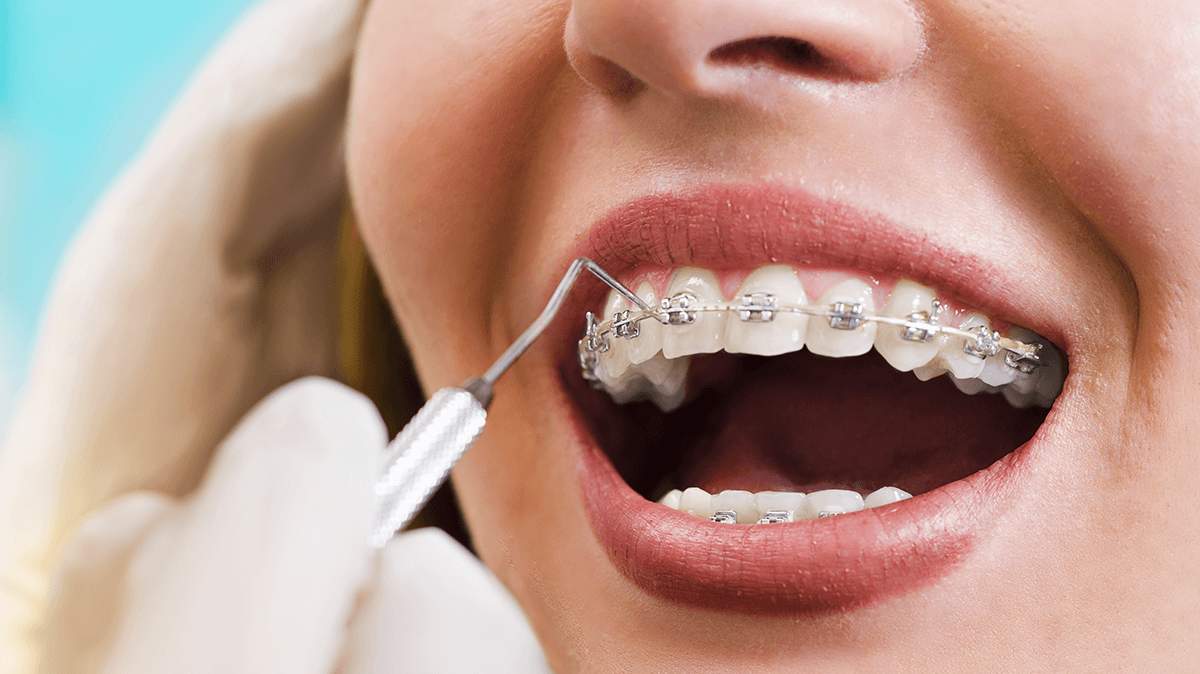
Orthodontic treatment is a procedure that aims to promote the proper development of teeth and the jawbone and ensure that the teeth are properly aligned. This application can correct dental defects and protect oral health, as well as improve oral aesthetics.
A crooked tooth is a condition that occurs as a result of the development of teeth outside of their normal alignment. In this case, the healthy development of the teeth is prevented and it is difficult for them to work correctly. It can also cause loss of aesthetic appearance. Therefore, it is important to correct this situation with orthodontic treatments. With the help of this procedure, the teeth can be brought into the correct position and the aesthetic appearance can be preserved.
Orthodontic therapy can be used for conditions such as excessive length or width of the jaw, small or large teeth, and irregularly arranged teeth. With this treatment, teeth can be properly aligned to prevent various health problems.
Good Candidates for Orthodontic Treatment
Orthodontic treatment can be performed on both children and adults, but it is more effective in children because their teeth and jawbone are still developing. In addition, this therapy should be performed at an early age to ensure that the child's teeth develop properly.
In adults, orthodontic treatment can be used to properly align the teeth and improve oral aesthetics. Therefore, this procedure can be performed at any age. However, it is important to remember that every situation is different and the therapy should be evaluated by an experienced orthodontist to ensure that it is performed properly.
How is Orthodontic Treatment Performed?
Before a standard orthodontic treatment, the orthodontist evaluates the condition of the patient's teeth and jawbone and decides whether the application is necessary.
Next, the orthodontist gives the patient a brace or invisible plaque. This apparatus ensures correct positioning of the teeth. During orthodontic treatment, the patient should use them in accordance with the instructions given by the dentist. In addition, it is necessary to participate in regular medical check-ups.
These steps form the general structure of orthodontic treatment. The duration of the procedure varies from person to person and from case to case. It can be said that there are treatments that last from 1 year to 2.5 years on average.
Causes Leading to Orthodontic Treatment
Orthodontic problems mostly occur for the following reasons:
- • Congenital factors: For example, the congenital nature of the jawbone may result in the patient's teeth not developing properly.
- • Unbalanced diet: In order for the teeth to develop properly, adequate amounts of calcium and phosphorus must be taken. If these minerals are not taken enough, there may be problems that will require an orthodontic treatment.
- • Poor dental care: To keep teeth healthy, they need to be brushed and flossed properly. If these procedures are not performed, it may be possible to solve the problem with the help of orthodontic treatment.
Orthodontic Treatment AfterCare
As with other dental treatments, it is extremely important for the patient to maintain oral and dental care after orthodontic application. It is possible to encounter properly aligned but yellowed teeth when the treatment is completed after a period of 1 year, in people who do not get into the habit of taking good care of their teeth.
Flossing is just as important as brushing teeth. Food residues and bacterial plaques between the teeth must be cleaned. Cleaning should be carefully done by moving the floss up and down.
With the recommendation of the orthodontist, the patient can also meet the interface brush. In this way, it is possible to get under the wires and brush without damaging the gums. In addition to these, a mouthwash is considered the last step of aftercare routine. However, these processes must be applied together.
Tooth Extraction in Orthodontic Treatments
Orthodontic treatments usually do not require tooth extraction. However, in some cases, tooth extraction may be part of the procedure. For example, if gaps need to be opened to keep the teeth lined up properly, some teeth may need to be extracted to open up these ones. In addition, in some cases, tooth extraction may be required due to insufficient jawbone. If a patient's treatment requires this step it determines during the consultation with the specialist.
Types of Orthodontic Treatments
Braces applications are generally done in the following three types:
- • Inward (lingual) dental braces: This application is made with a brace placed on the inside of the teeth. In this way, the inner movements of the patient's teeth can be controlled and brought into the correct position.
- • Outward dental braces: It is done with a wire placed outside your teeth. In this procedure, the development of the outer side of the teeth can be checked and the teeth can be brought into the correct position.
- Invisaligns: This application is made with transparent plaques placed on your teeth. These parts also serve the same function as the braces and regulate the movements of the teeth. Since they are not easily noticed, they are preferred more frequently in terms of aesthetics.
The biggest difference between these three types of braces applications is the materials used. Each application is most appropriate in different situations, and the dentist chooses the most suitable for the patient.
Treatments
FAQ
Orthodontic treatment costs may vary depending on how long the operation will take, what materials will be used and the experience of the doctor. Therefore, consultation is necessary to give an accurate information about the price. By talking to the dentist, more detailed information can be obtained about the procedure's duration, materials and this subject.
Orthodontic treatment has usually a permanent results. The purpose of this therapy is to provide a proper jaw structure and aesthetic appearance by correctly aligning and operating the teeth. For this reason, it is aimed to bring the teeth into the correct position during the application and to protect these positions.
However, after the orthodontic treatment is completed, some rules must be followed. For example, oral hygiene should not be neglected, and it is necessary to continue using the brush and floss. In this way, the correct position of the teeth can be maintained.
The time it takes to complete the procedure varies from person to person and from case to case. It can be said that there are treatments that last from 1 year to 2.5 years on average.
Treatments





Book a free consultation
Please contact us for detailed information about our clinic and the dental treatments we apply. Our experts will inform you about all issues.

Our Phone
+90 232 502 94 73

Our Location
MANSUROĞLU MAH. 288/4 SK. 9 D Bayraklı, İzmir