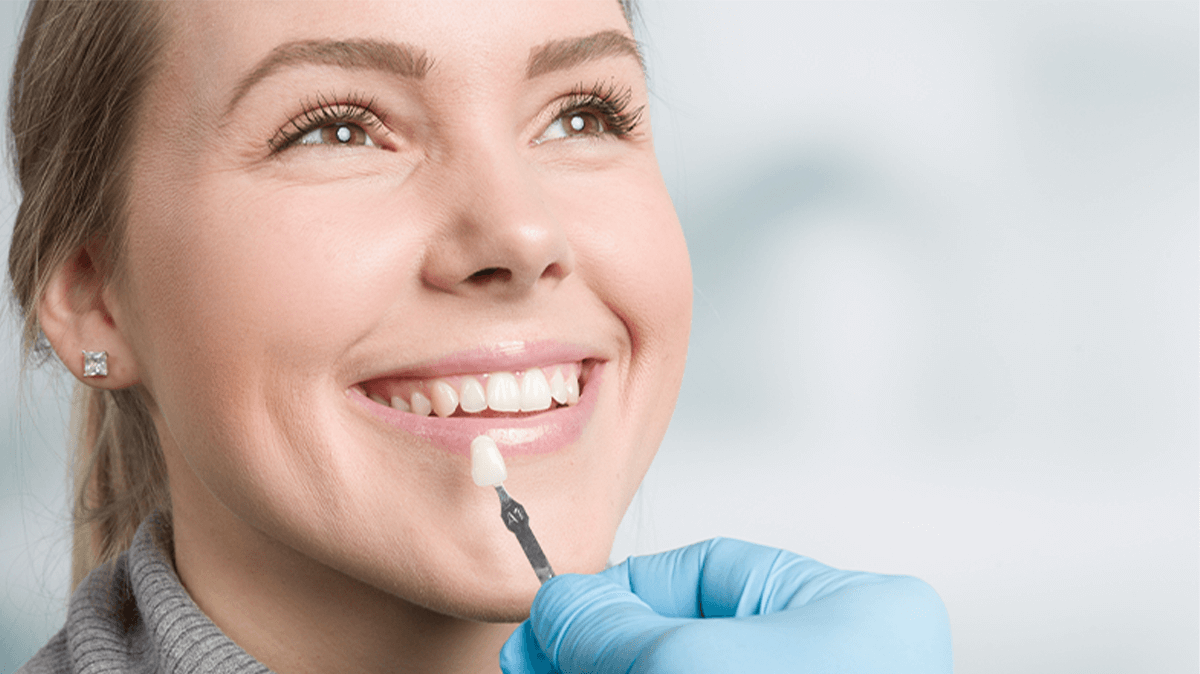
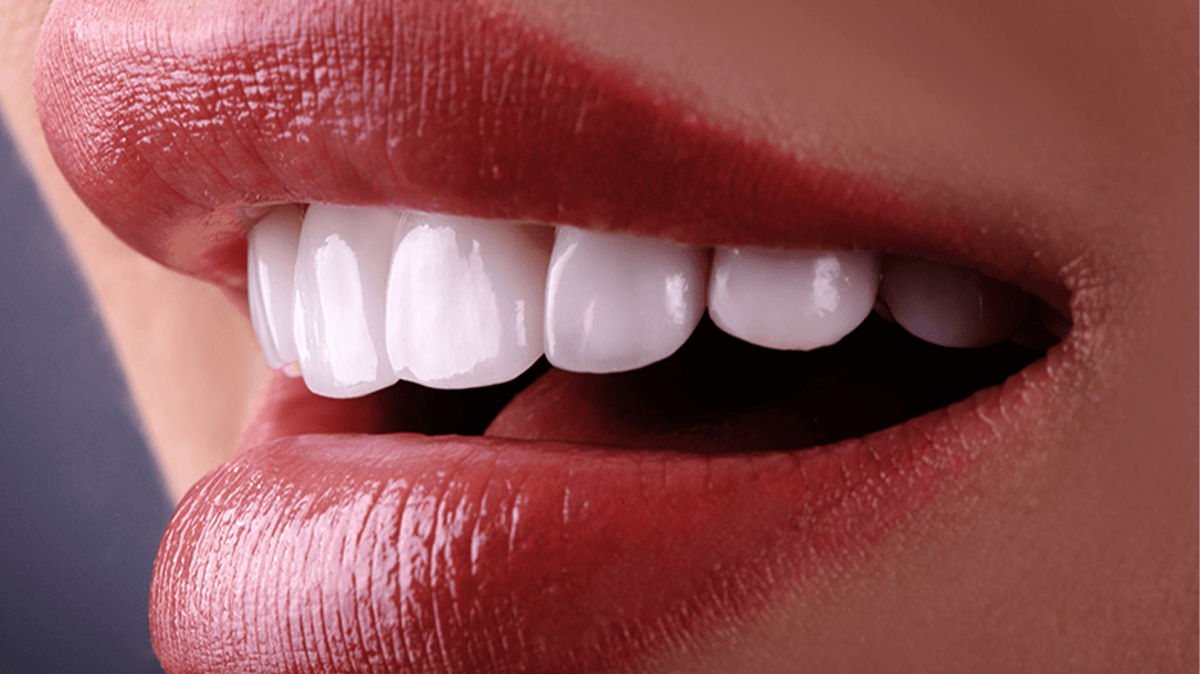
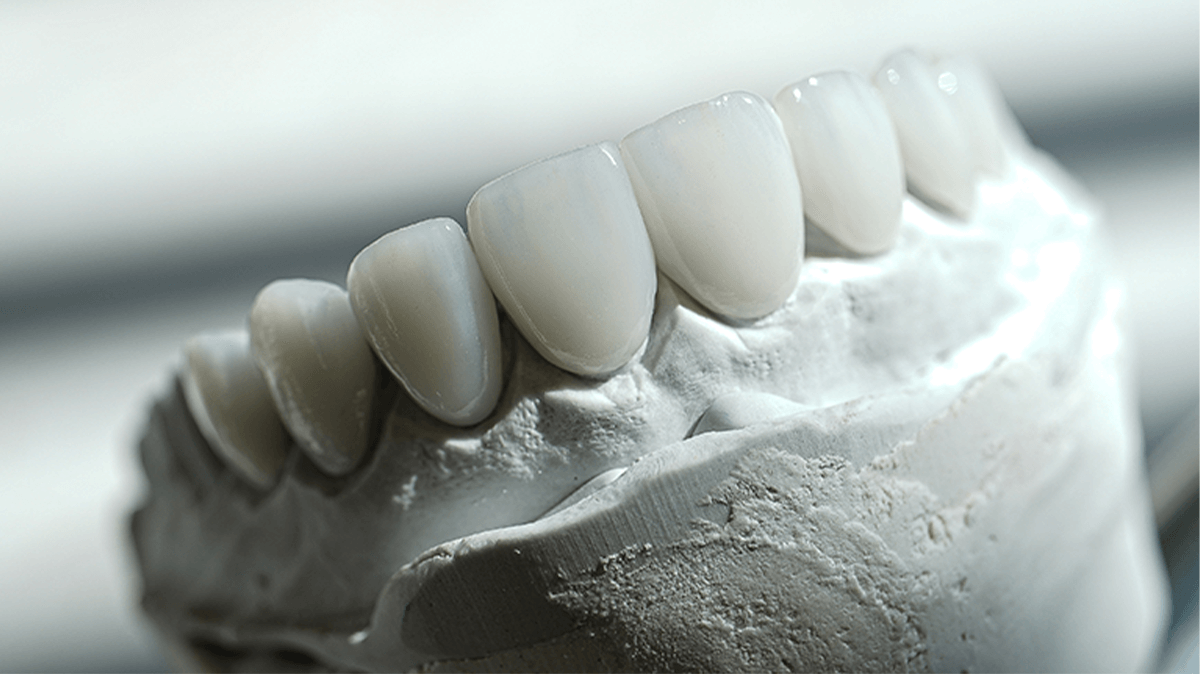
Veneers are specially designed shells that cover the front surfaces of teeth. They disguise fractures, chips, stains, and several other flaws. Dental veneers are one of the most prevalent forms of cosmetic dentistry. Several types of them are available, depending on the unique needs of the patient.
Candidates for Dental Veneers
Dental veneers may be an option for those who want to improve the appearance of their smile. These dental restorations are able to disguise:
- • Fractured or chipped teeth,
- • Diastema,
- • Stains that are resistant to tooth whitening
- • Tooth enamel that is excessively thin,
- • Malformed teeth.
It is essential to remember that veneers are only an option for those who do not have severe cavities and gum disease. If they have significant oral health concerns, they should solve these before considering aesthetic procedures.
Procedure of Dental Veneers
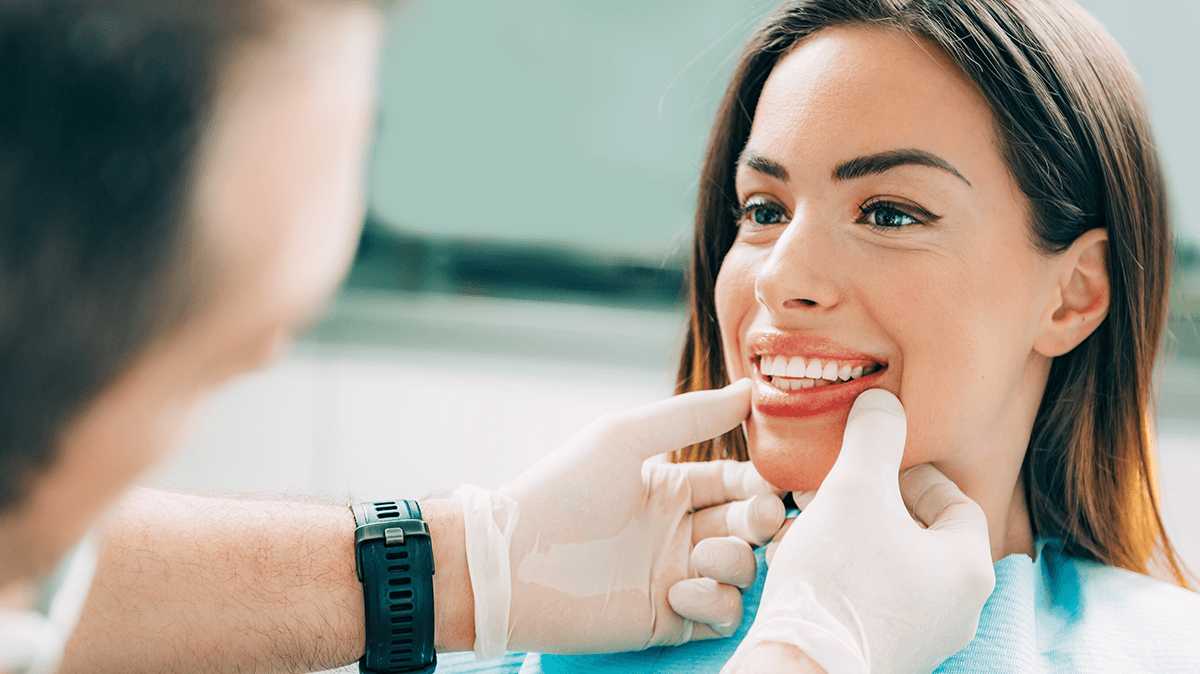
During the first consultation, the dentist will inspect the patient's teeth and gums to decide if veneers are an option. If the patient is a good candidate, the dentist removes a little portion of enamel from their teeth. Next, dental imprints are taken. These imprints are used by a dental lab technician to create personalized veneers.
The veneers may take the dental lab a few weeks to finish. In the interim, if required, the dentist might put temporary veneers. When the veneers are completed, the lab send them to the dentist's clinic.
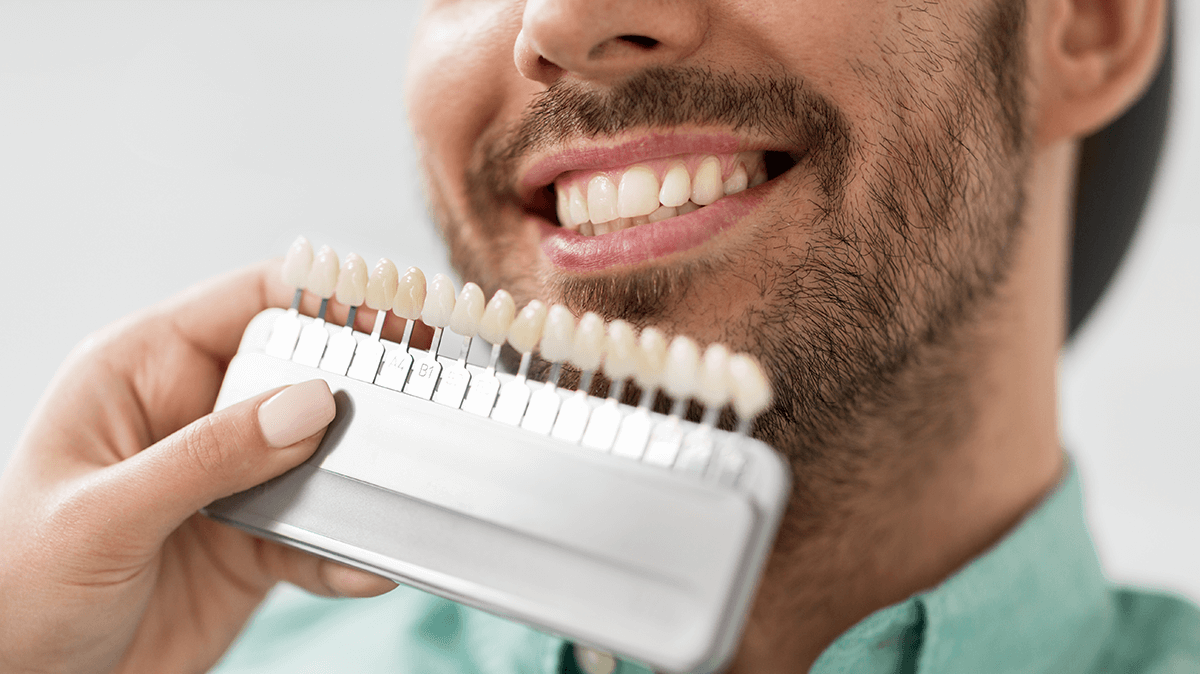
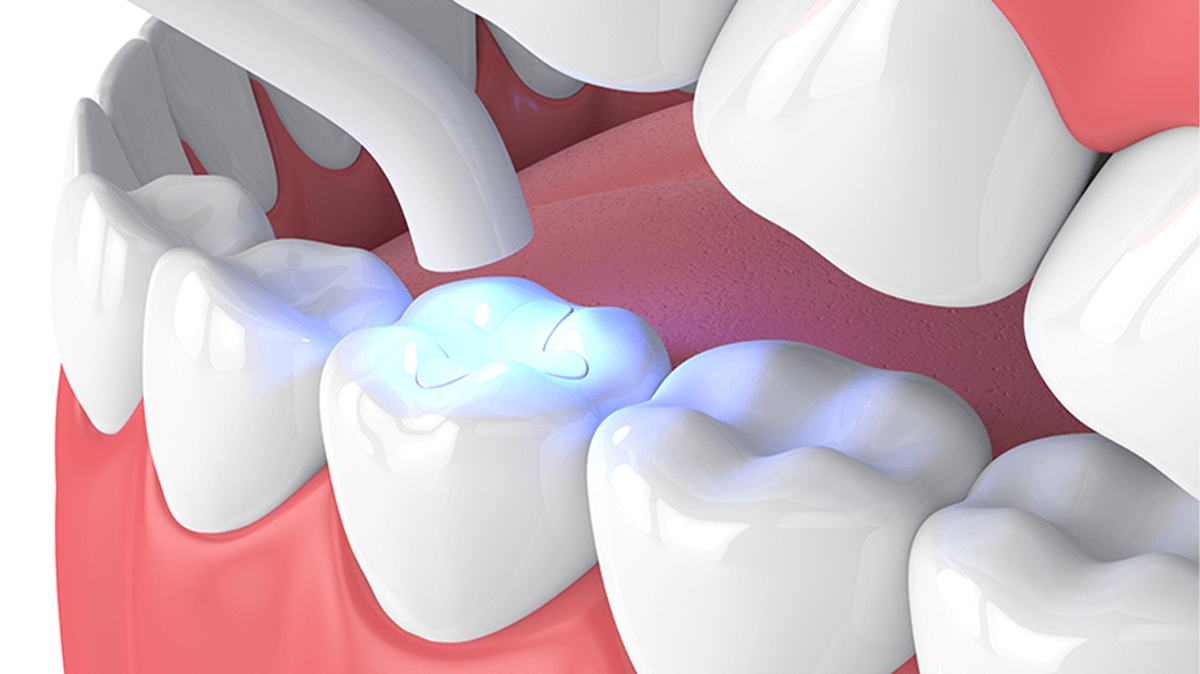
During a second appointment, the dentist examines the veneers' form, color, and fit before cementing them in place with dental cement. The dentist then examines the patient's bite and make any required modifications.
If patients choose to alter the veneers in any way, such as the shape or color, they should contact their professional. They will collaborate with patients and the dental laboratory to obtain optimal outcomes.
There is no recovery period after dental veneer implantation. Individuals who obtain veneers can resume routine tasks the same day. As long as the anaesthetic has worn off, they may also consume liquids soon after the session.
Aftercare for Dental Veneers
Patients need just brush, floss, and visit the dentist on a regular basis to keep their veneers in good shape. They should use a toothbrush with soft bristles and fluoride toothpaste without abrasives. Whitening products must also be avoided, as they might damage veneers.
To prolong the life of the veneers, patients should avoid directly biting into hard or crunchy items such as apples, carrots, and tough meats. Candidates for veneers must cut and chew these items with their back teeth.
Despite the fact that porcelain veneers are stain-resistant, it's best to avoid dark-colored foods and beverages, including red wine, coffee, and tea. These meals and beverages can eventually discolor the veneers.
Types of Dental Veneers
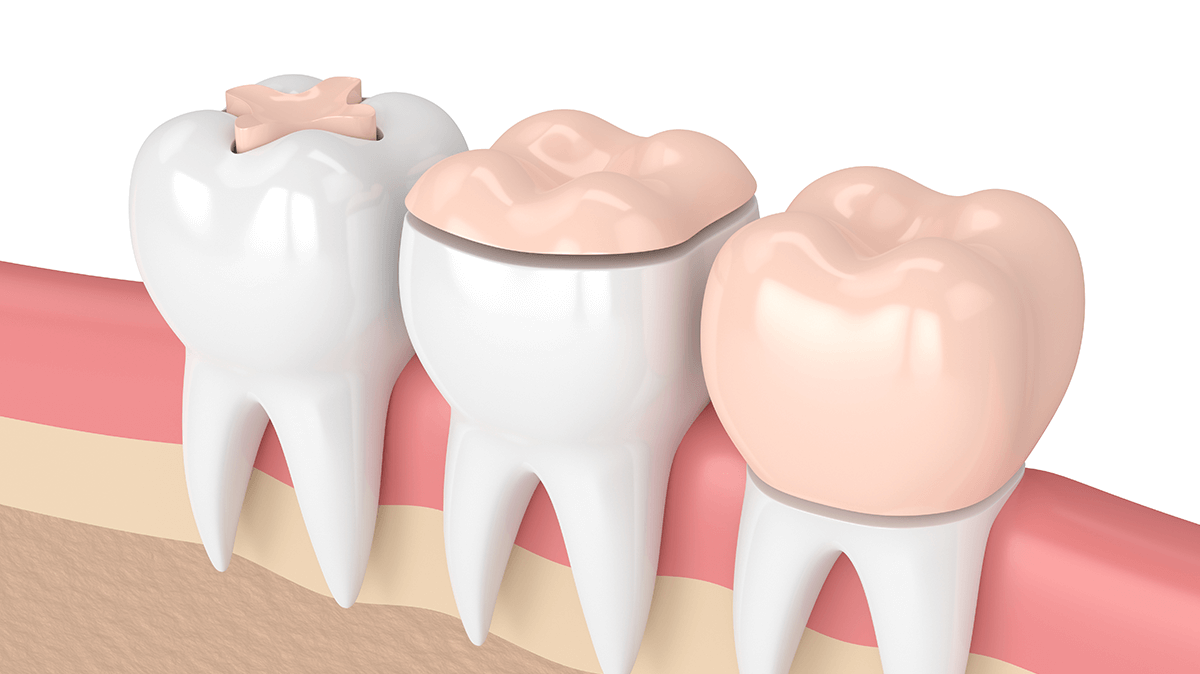
There are several veneer kinds, such as composite veneers, porcelain veneers, and detachable veneers.
- • Composite Veneers
Composite veneers can mask minor flaws in appearance. To obtain the desired appearance, the dentist utilizes tooth-colored composite resin, the same substance used for dental bonding.
- • Porcelain Veneers
Porcelain veneers can conceal a variety of visual flaws. These restorations are tailored to the dental anatomy of the patient. The dentist must remove enamel from the original teeth before to installation. This roughens the tooth surfaces and aids in the retention of the veneers.
- • "No preparation" Veneers
No-prep or "minimal preparation" veneers are less intrusive. They, like standard porcelain veneers, are specially designed for the patient's smile. They need less enamel removal than conventional ones, though.
However, it is essential to realize that no-prep veneers still require enamel removal. They may be not appropriate for everybody. Candidates should see their dentist to determine if they proper for these type of dental implants.
- • Removable Veneers
Removable veneers, often known as snap-on veneers, cover natural teeth to conceal flaws. The patient can remove detachable veneers at any time, similar to retainers. Removable veneers can improve the smile but they can make it harder to eat, and they could have a bad affect on your the patient's speech.
There isn’t a lot of information available on removable veneers since they have only history for just a few years. The patients must consult the dentist whether this option is safe for them.
Treatments
FAQ
Dental veneers made of materials such as porcelain and composite remain permanent after application. Their useful life is on average 15 to 20 years.
Veneers usually do not harm the patient's real teeth. However, in some cases, it is seen that veneers can cause the underlying tooth to decay. For this reason, it is important to maintain regular oral care and not to neglect dental check-ups.
Dental veneers prices vary from person to person, depending on the scope of the application, the clinic where the treatment takes place, and the experience of the dentist.
Treatments




Book a free consultation
Please contact us for detailed information about our clinic and the dental treatments we apply. Our experts will inform you about all issues.

Our Phone
+90 232 502 94 73

Our Location
MANSUROĞLU MAH. 288/4 SK. 9 D Bayraklı, İzmir